Modern construction faces a tough combination of challenges: rising energy costs, stricter environmental expectations, tight project schedules, and pressure to deliver consistent quality. Conventional on-site methods often struggle to meet all four at once—especially in dense urban areas where logistics, noise, dust, and site constraints are everyday realities.
Modular construction offers a different approach. Instead of building everything from scratch at the project site, modular construction produces building components (modules) in a factory-controlled environment, then transports and assembles them on site. The result is not just faster construction, but also a method that can reduce material waste, improve energy performance, and lower environmental impact—supporting green and sustainable development.
This approach is especially relevant for developing High-Performance Buildings (HPB): buildings designed to deliver superior energy efficiency, thermal comfort, and long-term operational performance with a smaller environmental footprint.
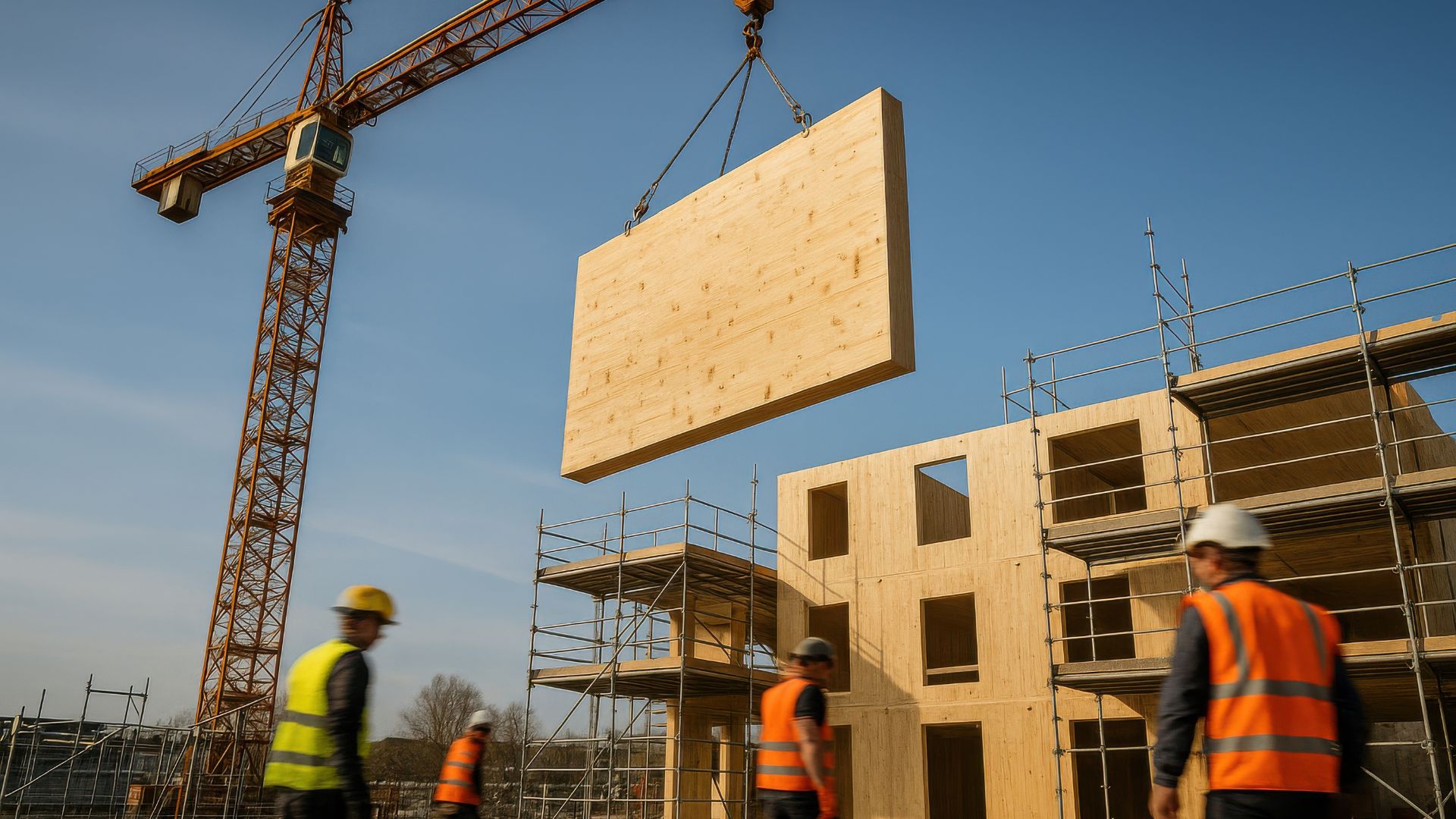
What Is Modular Construction?
Modular construction is a building method where pre-engineered modules—such as rooms, wall panels, floor slabs, and roof assemblies—are manufactured in a factory. These modules are then delivered and assembled at the construction site, forming a complete building in a shorter time than traditional methods.
There are two common models:
- Volumetric modular: complete “box” modules (often including interior finishes, plumbing, and electrical systems).
- Panelized modular: prefabricated panels (walls/floors/roofs) assembled on site.
Both aim to shift labor-intensive activities from unpredictable job sites into controlled factory settings.
1) Factory Production: Controlled Quality Leads to Better Energy Performance
One of the strongest advantages of modular construction is the factory environment:
- Stable weather conditions and controlled processes
- Repeatable production standards
- Tighter inspection and testing routines
This control improves material precision, especially for energy-related components such as:
- Thermal insulation (consistent thickness, fewer gaps)
- Air sealing (reduced leakage and better building envelope)
- Quality installation for windows, doors, and façade systems
In practice, better envelope quality means the building requires less energy to cool or heat, and indoor comfort improves with fewer drafts and hot spots.
2) Material Waste Reduction: Precision Planning and Reuse Are Built In
Traditional on-site construction often generates large volumes of waste due to:
- inaccurate cutting,
- over-ordering,
- material damage from weather exposure,
- and site storage limitations.
In modular construction:
- Materials are cut with high precision using standardized workflows.
- Leftover materials can be reused immediately in the factory production line.
- Recycling processes are easier to implement because waste streams are centralized.
This directly supports resource efficiency and reduces disposal needs at the project site.
3) Operational Energy Efficiency: A Strong Foundation for High-Performance Buildings (HPB)
A building’s energy efficiency is largely determined by:
- the building envelope (insulation + airtightness),
- the mechanical/electrical systems, and
- the climate-responsive design.
Modular construction supports HPB goals by enabling:
- higher-performance insulation packages,
- better airtightness control,
- integration of renewable energy systems such as solar PV (where feasible),
- and consistent installation of efficient HVAC and lighting.
Climate-Responsive Design for Tropical Regions (e.g., Indonesia)
For tropical climates, energy use is dominated by cooling. Modular HPB strategies can include:
- shading devices and façade orientation
- natural ventilation design (where appropriate)
- reflective roofing and thermal protection
- reduced heat gain through better glazing and façade detailing
With these strategies, buildings can reduce dependence on air conditioning and lower energy costs over time.
4) Lower On-Site Environmental Impact: Faster Assembly, Less Disturbance
Because significant work is done in the factory, the site phase becomes shorter and cleaner:
- Faster assembly reduces dust, noise, and disruption
- Fewer heavy vehicles and less equipment time on site lowers fuel consumption
- Reduced number of workers and fewer site operations may also reduce safety risks
Shorter site activities also mean less time for the neighborhood to experience construction-related disturbance—important for projects near residential areas, hospitals, or schools.
5) Sustainability and Flexibility: Buildings That Adapt Over Time
Sustainability is not only about “building green,” but also about making buildings last longer and adapt better.
Modular buildings can be designed to:
- expand as space needs grow,
- reconfigure layouts for changing functions,
- or even be disassembled and relocated (depending on system design).
This flexibility helps reduce the need for demolition and new construction—both of which have high carbon and material costs.
Key Benefits Summary
Time & Cost Efficiency
- Parallel production (factory) and site preparation (foundation) shortens schedules.
- Faster delivery can reduce overhead and financing costs.
Higher and More Consistent Quality
- Factory QA/QC improves repeatability and reduces rework.
Environmental Advantages
- Less waste, less site pollution, lower emissions from shorter site time.
High Energy Performance
- Better envelope and system integration support long-term energy savings.
Conclusion
Modular construction is more than a faster building method. It is a practical sustainability strategy that supports high-performance buildings by reducing waste, improving energy efficiency through controlled quality, and lowering site emissions through faster assembly.
For organizations pursuing green development—especially where speed, quality, and environmental compliance matter—modular construction offers a strong pathway to build smarter, cleaner, and more resilient projects.